
The Recyclable Benefits of Metal Roofing
Sustainability That Starts at the Top
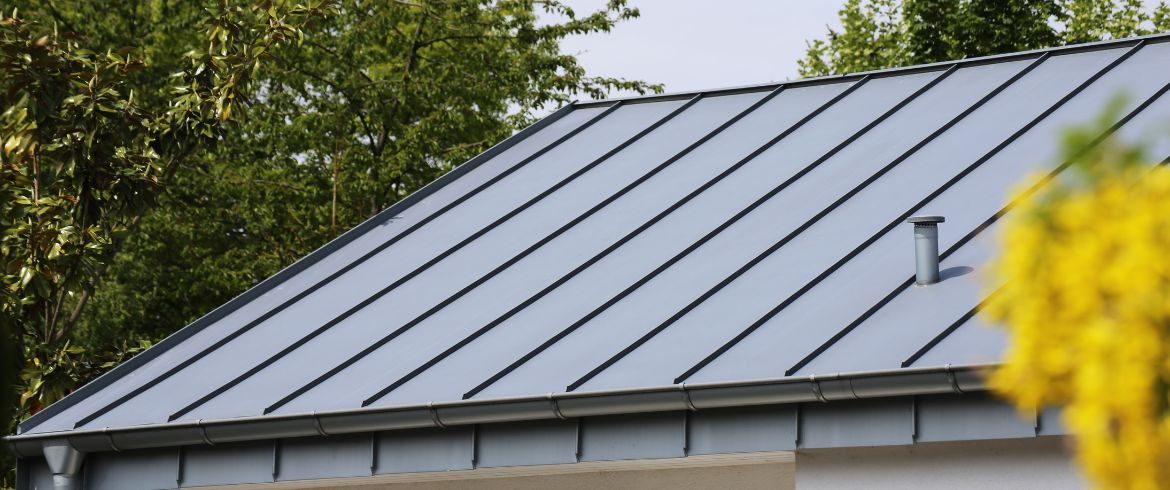
Modern homeowners are increasingly focused on eco-friendly living, and few upgrades reflect that commitment as clearly as metal roofing. While it’s known for strength and longevity, one of its most overlooked benefits is sustainability. From manufacturing to installation to the end of its life cycle, metal roofing stands out as one of the most environmentally responsible choices available.
Unlike many traditional materials that end up in landfills after replacement, metal roofing can be fully recycled—again and again—without losing its quality. In fact, many systems are already made with a significant percentage of recycled content. This closed-loop lifecycle reduces waste, conserves natural resources, and contributes to cleaner, greener communities. Choosing metal isn’t just a home improvement decision; it’s an investment in the planet’s future.
Recycled Content: Building with Responsibility
One of the key sustainability advantages of metal roofing lies in its composition. Most panels are made from 25% to 95% recycled material, depending on the manufacturer and metal type. This means that even before installation, metal roofs already help reduce the demand for raw resource extraction. The result is lower environmental impact and less energy used in production compared to many other roofing materials.
Recycling metals such as steel and aluminum consumes significantly less energy than producing them from scratch. This efficiency not only lowers emissions during manufacturing but also helps keep costs stable over time. When homeowners choose a metal roof, they’re supporting an industry that prioritizes circular use of resources—turning yesterday’s materials into tomorrow’s protection.
100% Recyclable at the End of Its Life
The lifecycle of metal roofing doesn’t end when it’s replaced—it simply begins again. Unlike asphalt shingles, which often contribute millions of tonnes of waste to landfills each year, metal panels can be recycled indefinitely without degrading in strength or quality. This 100% recyclability makes metal one of the most sustainable building materials on the market.
At the end of its service life, a metal roof is removed, melted down, and repurposed into new products or roofing systems. This process prevents waste accumulation and reduces the need for virgin material mining. For homeowners aiming to shrink their carbon footprint, the assurance that their roof won’t become landfill waste adds another layer of value to the investment.
Long Lifespan: The Greenest Roof Is One That Lasts
Durability is one of the most underrated forms of sustainability. A longer-lasting roof means fewer replacements, less waste, and lower overall energy use across decades. Metal roofing can last 50 years or more—two to three times longer than asphalt alternatives. This longevity significantly reduces the environmental impact associated with manufacturing, transport, and disposal of replacement materials.
Its resistance to rot, mould, corrosion, and fire further extends lifespan and minimizes the need for repairs or premature replacement. Fewer materials used over time means fewer emissions and less waste generation. Investing in metal roofing isn’t just about endurance—it’s about sustainability that compounds over decades of performance.
Energy Efficiency: Lower Consumption, Smaller Footprint
Energy efficiency and environmental responsibility go hand in hand. Metal roofs naturally reflect solar radiation, helping maintain cooler indoor temperatures in summer and reducing reliance on air conditioning. This reflection translates to direct energy savings and decreased greenhouse gas emissions.
In winter, properly insulated metal roofing retains heat, improving energy performance across all seasons. Some advanced coatings even enhance thermal balance, providing year-round comfort without increasing utility costs. The combined effect of efficiency and recyclability makes metal one of the few roofing materials that delivers environmental benefits both during and after installation.
Compatibility with Solar Energy Systems
Sustainability doesn’t stop at reflectivity. Metal roofing pairs seamlessly with renewable technologies such as solar panels. Its long lifespan matches or exceeds that of most solar systems, making it an ideal foundation for clean energy generation. Unlike asphalt, which may require replacement mid-way through a solar panel’s lifespan, metal ensures stable, long-term support.
Additionally, standing seam metal roofs allow for solar panels to be attached without drilling holes, preserving structural integrity and waterproofing. This compatibility simplifies installation, reduces waste, and promotes a more holistic approach to sustainable living. By combining metal roofing with solar technology, homeowners create a powerful, long-term solution for reducing energy dependence.
Reduced Chemical Use and Maintenance Impact
Traditional roofing systems often require chemical treatments, sealants, or cleaning agents to maintain their appearance and performance. These products can release volatile organic compounds (VOCs) and harm local ecosystems when washed away by rain. In contrast, metal roofing requires minimal upkeep and no harsh chemicals to remain in excellent condition.
Periodic cleaning with mild soap and water is usually sufficient to preserve its finish. Its resistance to moss, algae, and mildew eliminates the need for toxic treatments, reducing both environmental impact and homeowner maintenance costs. By keeping harmful chemicals out of the equation, metal roofs help protect nearby soil and water sources.
Manufacturing Innovations and Responsible Sourcing
As sustainability becomes a greater focus across industries, metal roofing manufacturers are embracing greener production methods. Many now use eco-friendly coatings, energy-efficient processes, and locally sourced materials to minimize emissions. Producing metal panels often involves recycled metals from vehicles, appliances, and industrial scrap—turning waste into valuable new products.
Even packaging and transportation have seen improvement, with companies shifting toward recyclable materials and more efficient delivery methods. Each innovation contributes to reducing the overall carbon footprint of the roofing industry. When homeowners choose metal roofing, they’re not only selecting durability—they’re supporting ongoing innovation toward cleaner manufacturing.
The Economic Side of Sustainability
Environmental responsibility often aligns with financial practicality. Although the initial cost of metal roofing can be higher than other materials, the long-term savings in energy bills, maintenance, and replacements make it a cost-effective investment. The combination of durability and recyclability means homeowners spend less over time while supporting a sustainable lifestyle.
Additionally, some regions offer rebates or tax incentives for installing energy-efficient or recyclable roofing systems. These benefits make sustainability more accessible and appealing to homeowners looking for both eco-conscious and economical options. Metal roofs prove that choosing green doesn’t have to come at a premium—it can pay dividends for decades.
The Roof That Gives Back
Sustainability begins at home, and few upgrades make a greater environmental impact than a recyclable, energy-efficient metal roof. From its recycled origins to its zero-waste end-of-life, metal roofing embodies a complete cycle of responsibility and renewal. It conserves resources, reduces emissions, and delivers lasting value—protecting both the home and the planet. For those looking to go green from the top down, metal roofing is more than a choice—it’s a statement of commitment to a cleaner, smarter future.